
Samburu National Reserve is Kenya's most spectacular wilderness destination for travelers seeking an authentic, less-crowded safari experience. Located in northern Kenya along the Ewaso Nyiro River, this 165-square-kilometer reserve showcases one of Africa's most dramatic and unique ecosystems. The reserve's name derives from the Samburu people, semi-nomadic pastoralists who have inhabited these lands for generations and continue to coexist with the abundant wildlife.
What sets Samburu apart from other Kenyan parks is the presence of the Special Five - a unique assemblage of animals found nowhere else in Kenya. The Grevy's zebra, distinguished by narrow stripes, replaces the common zebra here. The reticulated giraffe, with its intricate geometric coat pattern, is far more common than its Masai cousin. The gerenuk, a long-necked antelope that stands on hind legs to browse acacia trees, is a peculiar sight. The beisa oryx, adapted perfectly to arid conditions, and the Somali ostrich complete this remarkable wildlife ensemble adapted to the harsh desert landscape.
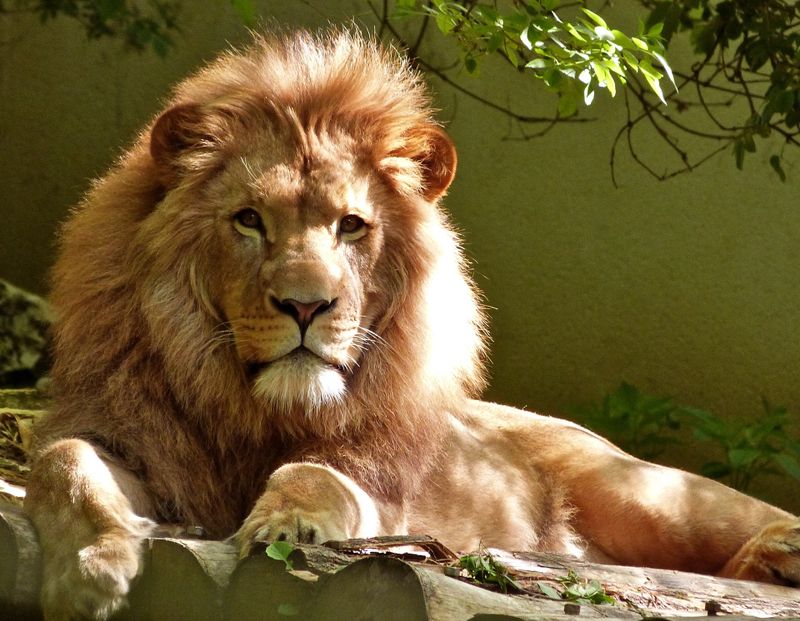
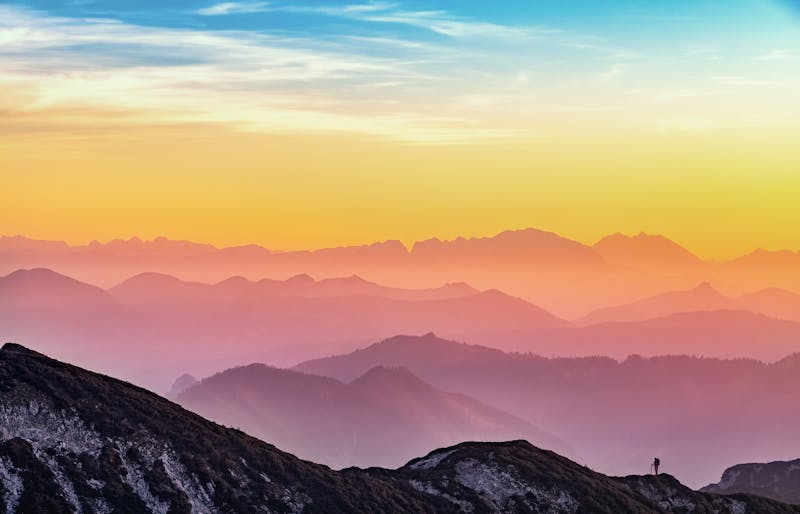
The terrain of Samburu is starkly beautiful, with rocky outcrops, sparse acacia woodlands, and riverine forests along the life-giving Ewaso Nyiro River. This dramatic landscape creates exceptional photography opportunities, particularly during golden hour when the rocky terrain glows warmth. The river attracts an impressive concentration of wildlife including lions, elephants, buffalo, and numerous antelope species, making it a wildlife viewing hotspot.
The Samburu people themselves are an integral part of the reserve's charm. These striking warriors, traditionally dressed in vibrant red shawkas, are skilled pastoralists who manage large herds of cattle, goats, and camels. Cultural visits offer visitors genuine insight into their pastoral traditions, warrior customs, and profound knowledge of the land. Camel trekking, a unique activity available in Samburu, allows visitors to explore the landscape using the desert's traditional mode of transport.
Samburu's remoteness and relative lack of development compared to major parks ensure an exclusive, authentic safari experience. The reserve attracts serious wildlife enthusiasts, photographers, and adventurers seeking something different. The combination of unique wildlife, dramatic landscape, cultural richness, and peaceful solitude makes Samburu a truly special African destination that often surpasses expectations.
Highlights
Best Time To Visit
June to October and January to February
Things To Do
Accommodation Ideas
Samburu Serena Safari Lodge
Luxurious lodge overlooking the Ewaso Nyiro River with exceptional service and facilities
Samburu Sopa Lodge
Comfortable mid-range lodge with river views and good game viewing opportunities
Samburu Bush Cottage
Intimate budget camps offering an authentic safari experience in the heart of Samburu
Gallery

Samburu National Reserve FAQ
What are the Special Five animals?
The Special Five are unique to northern Kenya's arid regions and include Grevy's zebra, reticulated giraffe, gerenuk, oryx, and the Somali ostrich - animals specially adapted to desert conditions.
Is Samburu less crowded than Maasai Mara?
Yes, Samburu is significantly less visited than Maasai Mara, offering a more remote and exclusive safari experience with fewer vehicles around wildlife.
How is Samburu different from other Kenyan parks?
Samburu features a unique arid ecosystem with specialized wildlife not found elsewhere, dramatic rocky landscapes, and a strong emphasis on Samburu warrior culture and camel trekking.
Can I combine Samburu with other parks?
Yes, Samburu pairs well with Buffalo Springs (adjacent reserve) or can be combined with other parks in a multi-park safari itinerary.